
Altitude & Heat Acclimation Protocols — Physiological Mechanisms
- Team PhysioQinesis: Credit Darshan Karekar
- Mar 5
- 2 min read

Ever struggled with fatigue on high climbs or overheating in hot races? Elite athletes, such as Tour de France cyclists, use altitude and heat training to build resilience against these challenges. This approach strengthens your body's natural responses through targeted stress, making tough conditions more manageable. Here's a clear guide for athletes and trainers.
Physiological Mechanisms
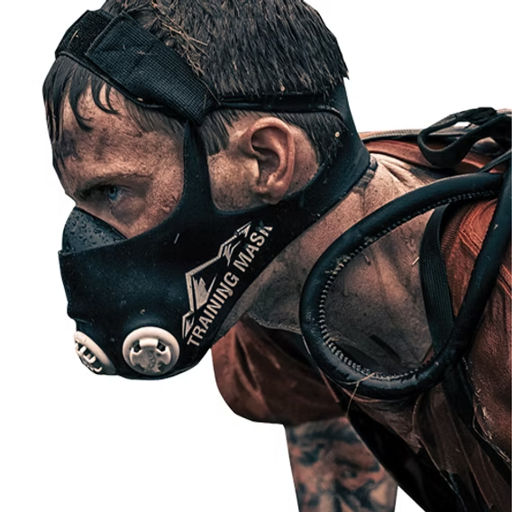
Your body adapts like a well-tuned system under controlled stress. At altitude (2,200 3,000m), low oxygen activates hypoxia-inducible factors (HIFs). These signal the kidneys to release erythropoietin (EPO), increasing hemoglobin by 3-5% over 2-3 weeks to deliver more oxygen to muscles. It also shifts metabolism toward efficient, oxygen-sparing energy production.
Heat exposure (40°C via saunas or suits, 30-60 minutes post-exercise) triggers heat shock
proteins (HSPs), which protect cells from damage. Plasma volume expands up to 20%, reducing heart rate and core temperature while improving sweat response. Both stressors generate reactive oxygen species (ROS), but Nrf2 activation boosts antioxidants to maintain balance and support VO2max.
Cross-adaptation links them: its simple, train in heat, and your body gets better at handling
altitude (or vice versa) without extra work in both.


How it helps:
Heat training pumps up blood volume and protective proteins, so when you hit high altitude later, your heart rate stays lower, oxygen levels hold better and you fatigue slower—gains like 5% faster efforts. Saves time for busy athletes/trainers.heat training enhances altitude tolerance (higher SpO2, lower strain), leveraging shared pathways for greater efficiency.
Performance Benefits
Combined protocols excel in endurance sports. Heat acclimation alone improves 40km time
trials by 5-8% and lowers heart rate by 5-10 bpm. Altitude boosts hemoglobin for climbs. Studies show gains in peak sprint power, though sea-level endurance often matches temperate training.
Elite programs use 10-14 days of heat first, followed by "live high-train low" altitude camps to
peak adaptations before races. Benefits last 2-4 weeks, so maintenance is key.
Training Protocols and Testing
Protocols:
Start with 5-10 heat sessions (e.g., 40°C sauna, 60 min at 2% body weight loss), progressing to combined hypoxia (normobaric tents or altitude camps). Sequence heat first for plasma gains, then altitude. Monitor weekly via submaximal tests.
Testing:
Track progress with pre/post heart rate (should drop 5-10 bpm), core temp, SpO2 (>92% at effort), and 5-20km time trials. Blood markers like hemoglobin confirm adaptation. Adjust for
individuals—retest every 2 weeks.
Tip for the coach:
Hydrate fully, include rest days. Tailor to athlete response for best results.
Key Sources:
Heat acclimation improves exercise performance* (2010)[1]
Combining Heat and Altitude Training* (2024)[2]
Effects of concurrent heat and hypoxic training* (2024)[6]
High or hot* (2022)[5]
Cross-Adaptation* (2017)[4]
Sources
Heat acclimation improves exercise performance - PMC
Combining Heat and Altitude Training to Enhance Temperate, Sea ...
Does heat acclimation improve exercise capacity at altitude? A cross-tolerance model -PubMed
Cross-Adaptation: Heat and Cold Adaptation to Improve ... - PMC - NIH
High or hot—Perspectives on altitude camps and heat‐acclimation ...
Effects of concurrent heat and hypoxic training on cycling anaerobic capacity in men
Concurrent Heat and Intermittent Hypoxic Training: No Additional Performance Benefit Over Temperate Training - PubMed
Going one step further with altitude training or heat training https://www.mysportscience.com/post/going-one-step-further-with-altitude-training-or-heat-training


Comments